Elite Precision Machining & Manufacturing Capabilities

WessDel is the recognized leader in advanced precision machining and manufacturing techniques for beryllium materials to the aerospace and defense industries. WessDel has almost 40 years of experience processing the most exotic and conventional materials like beryllium and its alloys, titanium, aluminum and magnesium.

WessDel does manual and CNC milling, turning, EDM, waterjet cutting, chemical and thermal processing, and mechanical assembly. Our ability to work with such a wide array of materials  and precision machining and manufacturing processes ensures that we can meet and exceed our customers’ stringent requirements.
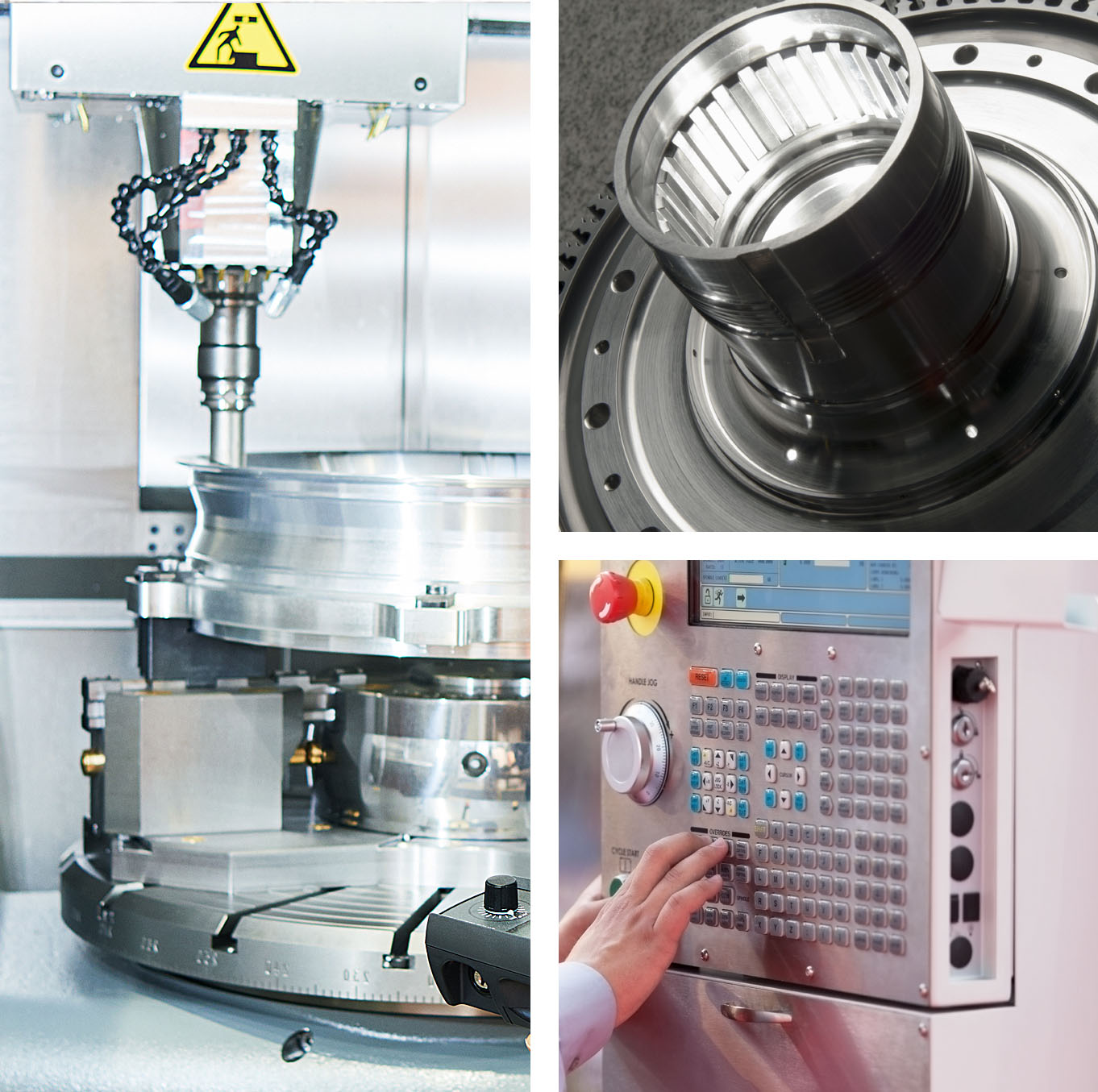
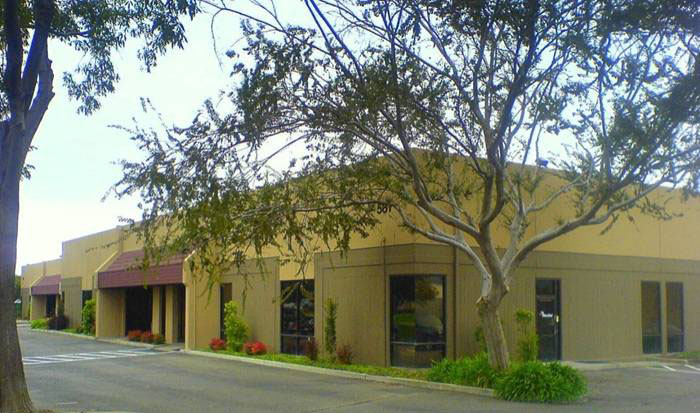
Our state-of-the-art facilities include sophisticated CNC machining centers, turning centers, waterjet, and EDM machines, enabling us to tackle the most demanding projects. We operate out of a 24,000-square-foot, temperature-controlled manufacturing facility and offer a comprehensive range of services.

Our Advanced Precision Machining Equipment

To support the precision machining of materials like beryllium, titanium, and aluminum, we rely on a full suite of specialized tools and technology. From CNC milling machines to EDM systems, our capabilities are designed for accuracy and scale. Explore our precision machining equipment list to see how we meet the needs of demanding manufacturing projects.

Precision Machining FAQs

What is precision machining and how does it differ from regular CNC machining?

Precision machining is a subtractive process that removes material from a workpiece to produce an accurately formed component. While both use CNC technology, precision machining focuses on exceptionally tight tolerances and repeatability. It combines advanced software, tooling, and inspection systems to achieve superior accuracy compared to standard CNC work.

Many contractors rely on high-performance precision machine engines to produce intricate parts for industries such as aerospace and medical manufacturing, where accuracy is essential. The process minimizes human error through automation and ensures every part meets exact design specifications consistently across multiple runs and materials.

How tight are the tolerances achievable in precision machining?

High-end precision machine and manufacturing processes can achieve tolerances as tight as ±0.0002 inches for certain features. This precision is obtained through CNC control, tool calibration, and temperature-stable environments that prevent expansion or distortion.

Skilled machinists and precision machinery contractors use specialized measurement systems to verify accuracy and ensure consistent quality, even during extended production cycles. Tight tolerances are vital in industries such as aerospace, medical, and semiconductor manufacturing, where even the smallest deviation could impact performance. With elite precision machining, every detail, from setup to final inspection, is optimized for repeatability, dimensional stability, and long-term reliability.

What are the advantages of precision machining?

Precision machining offers higher accuracy, reduced waste, and improved safety through automation. Because machines can repeat identical movements, manufacturers achieve consistent quality across every batch. This repeatability lowers labor costs and material waste, making precision machining and manufacturing an efficient solution for high-performance parts for small- and large-scale productions alike.

Precision machinery contractors benefit from faster production and fewer defects, ensuring each component meets demanding specifications and passes rigorous quality checks. The process also supports a wide range of materials and complex geometries, helping industries maintain productivity and precision at scale while delivering components that perform reliably under pressure.

What’s a realistic lead time for a one-off prototype vs a production run?

Lead times vary by complexity, material, and finishing requirements. At WessDel, for example, our lead times typically run between 10–12 weeks. This can extend to 20 weeks or more for complex parts or those requiring exotic materials and special processing.

Contractors often provide expedited options depending on machine availability and workflow. For an accurate estimate, please upload detailed drawings, such as your 3D CAD files. This will allow our precision machine and manufacturing specialists to conduct a full assessment of your design, materials, and finishing needs. They can then provide a guaranteed lead time quote or recommend express service options.

How does CNC machining compare to 3D printing, and which is right for my project?

CNC machining is a subtractive process, removing material to create a part, which produces waste. By contrast, 3D printing is additive, using only the material needed. This fundamental difference makes 3D printing ideal for highly complex geometries and customization, but it is often limited by the printer’s bed size.

Precision machine engines are faster for mass production, can handle larger parts, and support a wider range of materials, including high-melting-point metals that 3D printing struggles with. Elite precision machining is therefore favored for functional, high-performance components, while 3D printing is better for custom prototypes. The right choice depends on your project’s scale and material needs.

Contact WessDel For Precision Machining Services

Ready to unlock the full potential of your precision machining projects? WessDel has been pushing the boundaries of precision with state-of-the-art equipment and has had an unwavering dedication to quality for nearly half a century. Let’s bring your most challenging designs to life. Contact WessDel online today or call (408) 496-6822

MSIRobot