
In high-stakes engineering, dimensional stability determines whether a critical system succeeds or fails. When even fractional micron movement threatens optical alignment or structural performance, engineers turn to Invar.
High-precision Invar machining allows optical sensors, laser enclosures, and satellite structures to hold exceptionally tight tolerances across extreme temperature shifts. Understanding how to control and execute operations on this specialized nickel-iron alloy is essential for mission-critical aerospace, scientific, and defense hardware.
The Metallurgical Advantage of Invar 36
Invar 36 features a precise formulation of 36% nickel and 64% iron. This specific atomic ratio gives the material its defining characteristic: a coefficient of thermal expansion near room temperature that is roughly one-tenth that of carbon steel and significantly lower than standard aluminum or titanium alloys.
By remaining dimensionally constant under thermal stress, Invar prevents calibration drift in precision equipment exposed to rapid environmental changes. In high-performance satellite payloads and optoelectronic packages where thermal management must coincide with structural stiffness, engineers frequently pair custom Invar components with an aluminum beryllium alloy. This hybrid approach optimizes overall weight without compromising thermal performance or rigidity across complex structural assemblies.
Machining Realities: Heat, Work Hardening, and Tool Wear
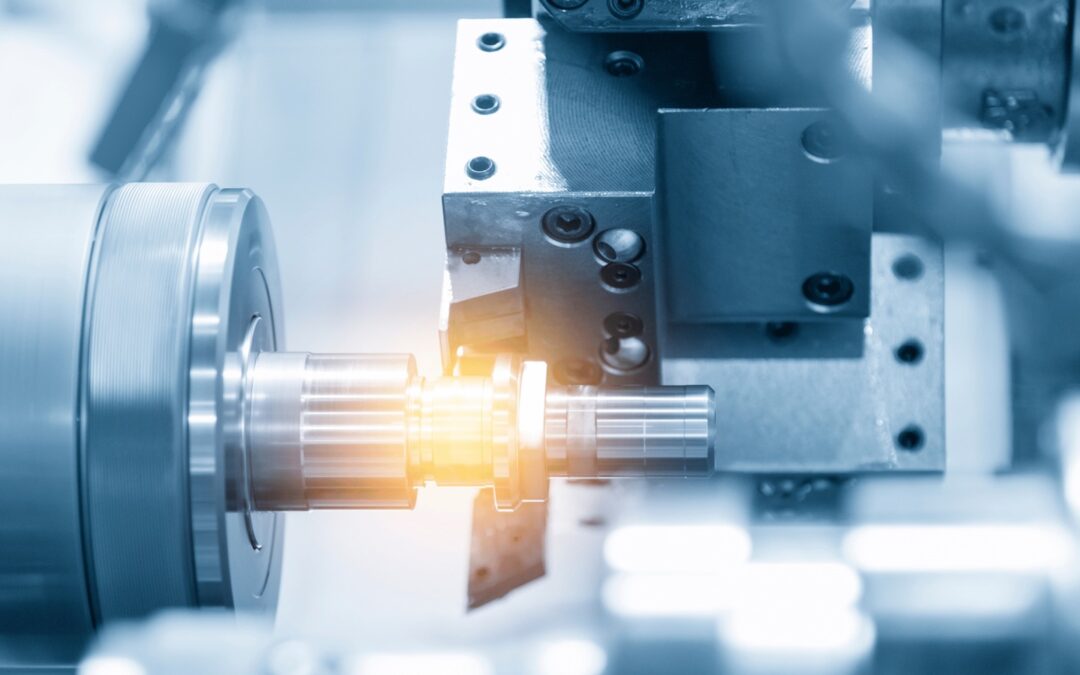
While Invar offers unmatched dimensional stability in service, cutting it presents immediate friction on the shop floor. Its elevated nickel content makes the alloy notably gummy and sticky during material removal. Without proper technique, Invar work-hardens rapidly under the heat and pressure of the cutting edge, turning routine milling or turning operations into a fast track for broken tooling and torn surface finishes.
To overcome these physical hurdles, machinists apply targeted cutting strategies:
- Aggressive, Constant Chip Loads: Light cuts and shallow passes cause the tool to rub against the material rather than cut it, instantly hardening the sub-surface layer. Maintaining a continuous feed rate into fresh metal prevents this phenomenon.
- Specialized High-Rake Tool Geometry: Sharp cutting edges with high-positive rake angles shear the tough nickel matrix cleanly, minimizing localized friction and reducing surface tear.
- High-Pressure Directional Coolant: Concentrating heavy coolant delivery directly onto the cutting interface evacuates heat rapidly, preventing chip welding and extending tool life.
- Extreme Setup Rigidity: Any flex or vibration in the machine spindle, tool holder, or workholding fixture accelerates chatter and causes premature tool edge chipping.
Essential Post-Machining Heat Treatment Cycles
The physical forces of cutting and material removal inevitably introduce stress into Invar stock. If unaddressed, these internal mechanical stresses degrade the metal's near-zero expansion profile, leading to unpredictable dimensional movement over time. Guaranteeing absolute long-term stability requires incorporating thermal stress-relief cycles directly into the manufacturing sequence.
The process begins with rough machining to strip away the majority of excess material while leaving a precise allowance for finishing. The part then undergoes a stress-relief annealing process in a controlled atmosphere to relax internal mechanical tension. Once cooled, final precision milling, turning, or grinding brings the component to its final geometric dimensions. Finally, a lower-temperature stabilizing thermal cycle locks in the metallurgical structure, ensuring the completed part holds its exact dimensions through its entire operational lifespan.
Contact WessDel for Invar Machining Services
Achieving sub-micron accuracy with low-expansion alloys requires a combination of specialized machining setups, engineered tooling paths, and strict thermal processing protocols. At WessDel, our team brings decades of direct manufacturing experience to high-precision Invar and advanced metal projects.
Contact WessDel to explore our specialized alloy manufacturing capabilities or discuss your high-precision project requirements with our engineering team.